Skin Allergy Triggers to Know

Did you know that skin allergies affect millions of people, often leading to discomfort and a diminished quality of life? Understanding their triggers and management strategies can empower you to take control of your skin health.
What You Will Learn
- Skin allergies occur when the immune system mistakenly reacts to harmless substances, leading to symptoms like redness and itching.
- Common allergens include certain foods, chemicals, and environmental factors, making awareness of triggers essential for prevention.
- Effective management strategies include reading product labels, using hypoallergenic products, and keeping a food diary to track potential triggers.
- Over-the-counter antihistamines can provide quick relief from allergy symptoms, while immunotherapy may offer long-term solutions for chronic cases.
Skin Allergy Management & Prevention
Understanding your unique triggers and adopting effective strategies are crucial for preventing and treating skin allergies. Below, we outline key approaches in a side-by-side comparison.
Prevention: Avoiding Common Allergens
- ✓ Read Labels Carefully: Identify potential allergens in products.
- ✓ Choose Hypoallergenic Products: Minimize irritants.
- ✓ Avoid Cross-Contamination: Especially for food allergies.
- ✓ Keep a Food Diary: Track potential food triggers.
Treatment: Relieving Symptoms & Building Tolerance
- ➤ Antihistamines: Reduce itching & swelling.
- ➤ Corticosteroids: Anti-inflammatory creams for flare-ups.
- ➤ Immunotherapy: Builds tolerance with allergy shots or sublingual tablets.
- ➤ Moisturizers & Barrier Creams: Maintain skin integrity.
Understanding Skin Allergies and Their Common Triggers
Have you ever noticed an itchy rash after using a new lotion or soap? You might be experiencing a skin allergy! Here at What Are Allergies, we believe that understanding the intricacies of skin allergies is essential for effective management. So, let's dive into what skin allergies are and explore their common triggers.
What Are Skin Allergies?
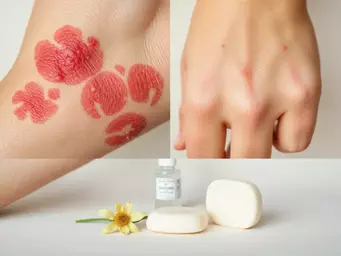
Skin allergies occur when your immune system reacts to certain substances, known as allergens. These reactions can manifest in various ways, including rashes, itching, and swelling. It's fascinating (and sometimes frustrating!) how our body's defense mechanisms can mistakenly identify harmless substances as threats, resulting in skin issues. Understanding this can empower you to manage your allergies better. According to the CDC's information on occupational skin allergies, even workplace exposures can trigger these conditions.
- Common allergens: These can include certain foods, chemicals, and environmental factors.
- Symptoms: Reactions may vary from mild irritation to severe conditions, impacting your quality of life.
- Diagnosis: Identifying skin allergies often involves a thorough assessment by a healthcare professional.
Recognizing the signs early can significantly improve your ability to cope with skin allergies. Remember, you're not alone in this journey; many people face similar challenges!
The Role of Histamine in Allergic Reactions
When it comes to skin allergies, histamine plays a crucial role. This chemical is released by your immune system during an allergic reaction, leading to symptoms like redness, swelling, and itching. Think of histamine as your body's alarm system, going off when it detects a perceived threat. Unfortunately, this response can sometimes cause more harm than good!
What's important for you to know is how to manage these reactions. Using antihistamines can help counteract these symptoms, providing relief when you need it most. Always consult with a healthcare provider for tailored advice, especially if symptoms persist!
Common Types of Skin Allergies: Eczema, Dermatitis, and More
There are several types of skin allergies, each with its own set of triggers and symptoms. Here are a few common ones:
- Eczema: Often characterized by dry, itchy patches, eczema can be triggered by various allergens, including food and environmental factors. For more in-depth information, the WHO provides a detailed fact sheet on atopic eczema, highlighting its global impact.
- Contact Dermatitis: This occurs when your skin comes into contact with an allergen, leading to an itchy rash.
- Urticaria (Hives): These raised, itchy welts can develop quickly and may be caused by food, medication, or stress. The Asthma and Allergy Foundation of America also offers valuable facts and figures on allergic skin conditions, including urticaria.
Understanding these types can help you identify if you're experiencing a skin allergy. If you notice any persistent skin changes, don't hesitate to reach out to a medical professional. They can work with you to pinpoint your triggers and develop a management plan tailored to your needs.
Interactive Poll: Share Your Thoughts!
Have you ever experienced a skin allergy? If so, what do you believe was the primary trigger? Choose one of the options below:
Managing and Preventing Skin Allergies Effectively
When it comes to skin allergies, prevention is key! I always encourage my patients to take proactive steps to manage their reactions. By understanding common allergens and making informed choices, you can significantly reduce the risk of flare-ups. Let’s explore some effective strategies together!
Strategies for Avoiding Common Allergens: Food and Chemical Avoidance
Avoiding allergens is your first line of defense against skin allergies. Here are a few strategies that can help you manage your exposures:
- Read Labels Carefully: Always check ingredient lists for potential allergens, especially in foods and skincare products.
- Choose Hypoallergenic Products: Opt for skincare and makeup items specifically labeled as hypoallergenic to minimize irritants.
- Avoid Cross-Contamination: If you have food allergies, be cautious about shared utensils and cooking surfaces in your kitchen.
- Keep a Food Diary: Tracking what you eat can help identify potential food triggers that may lead to skin reactions.
By implementing these strategies, you can create a safer environment for your skin and limit exposure to allergens that may cause irritation.
Holistic Approaches: Diet and Lifestyle Changes for Skin Health
It’s not just about avoiding allergens; adopting a holistic approach can greatly benefit your skin health! Simple dietary and lifestyle changes can make a world of difference:
- Increase Omega-3 Fatty Acids: Foods like salmon and walnuts can help reduce inflammation.
- Stay Hydrated: Drinking plenty of water supports skin health and helps flush out toxins.
- Manage Stress: Consider meditation or yoga to reduce stress levels, as stress can exacerbate skin conditions.
- Get Enough Sleep: Prioritize good sleep hygiene to allow your skin to repair itself overnight.
Incorporating these changes into your daily routine can empower you to take control of your skin health and improve your overall well-being!
Understanding Risk Factors: How to Identify Your Unique Triggers
Understanding your unique risk factors is crucial for managing skin allergies. Everyone’s triggers can vary widely, so identifying what affects you personally is essential. Here are some common risk factors to consider:
- Family History: If allergies run in your family, you may be at a higher risk for developing similar sensitivities.
- Environmental Factors: Pay attention to changes in your environment, such as new pet dander or seasonal pollen.
- Skin Conditions: Existing skin issues like eczema or psoriasis can make your skin more reactive to allergens.
- Exposure to Chemicals: Frequent contact with harsh chemicals in cleaning products or cosmetics can heighten your allergy risk.
By recognizing these risk factors, you can take steps to minimize your exposure and protect your skin.
Understanding Treatment Options Beyond Avoidance
Even with the best preventive measures, skin allergies can still occur. It’s important to know the treatment options available to you. Let’s dive into some effective solutions!
Using Antihistamines and Other Medications for Relief
Over-the-counter antihistamines can offer quick relief from allergy symptoms. Here’s how they can help:
- Reduce Itching: Antihistamines help alleviate the itchiness associated with skin allergies.
- Minimize Swelling: They can reduce swelling and redness, giving you a chance to heal without irritation.
- Available in Various Forms: Look for oral tablets, liquid forms, or topical creams that suit your preference!
Always consult your healthcare provider before starting new medications to find the best fit for your needs.
Exploring Immunotherapy and Other Advanced Treatments
If avoidance and antihistamines aren’t providing enough relief, you might want to explore immunotherapy. This treatment involves gradually introducing allergens to help build tolerance. Here are some options:
- Allergy Shots: Routine injections can help desensitize your immune system to specific allergens over time.
- Sublingual Tablets: These dissolve under your tongue and work similarly to allergy shots but are easier to manage.
Immunotherapy is a long-term solution that can offer substantial relief for those with persistent allergies.
Topical Treatments: Corticosteroids and Skin Care Products
Topical treatments are often recommended to manage skin allergies effectively. Here’s what to consider:
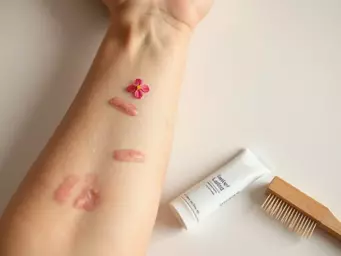
- Corticosteroids: These anti-inflammatory creams can help reduce swelling and redness during flare-ups.
- Moisturizers: Regularly applying a gentle moisturizer helps keep the skin barrier intact and can prevent dryness.
- Barrier Creams: These create a protective layer on the skin to shield against irritants and allergens.
Finding the right topical treatment can significantly improve your skin's resilience and comfort. Don't hesitate to reach out to your dermatologist for personalized recommendations!
Frequently Asked Questions About Skin Allergies
As we navigate the complexities of skin allergies, it’s natural to have questions. Let’s address some common concerns.
What are skin allergies and how do they occur?
Skin allergies happen when your immune system overreacts to normally harmless substances (allergens), leading to symptoms like rashes, itching, and swelling. This immune response causes the body to release chemicals like histamine, resulting in visible skin reactions.
What are common triggers for skin allergies?
Common triggers include certain foods, chemicals found in products (like soaps, lotions, or makeup), environmental factors (such as pollen or pet dander), and even stress. Identifying these triggers is crucial for prevention and management.
What are the main types of skin allergies?
Several types of skin allergies exist, including Eczema (characterized by dry, itchy patches), Contact Dermatitis (an itchy rash after skin contact with an allergen), and Urticaria or Hives (raised, itchy welts).
How can I prevent skin allergy flare-ups?
Prevention strategies include carefully reading product labels, choosing hypoallergenic products, avoiding cross-contamination (especially for food allergies), and keeping a food diary to track potential dietary triggers.
What are the treatment options for skin allergies?
Treatment options range from over-the-counter antihistamines to reduce itching and swelling, anti-inflammatory corticosteroids for flare-ups, and moisturizers and barrier creams to maintain skin integrity. For chronic cases, immunotherapy (allergy shots or sublingual tablets) can help build long-term tolerance.
What Tests Are Available for Diagnosing Allergies? Exploring Skin Testing and Patch Testing
There are several tests available to diagnose allergies effectively:
- Skin Prick Tests: Small amounts of allergens are applied to your skin to see if a reaction occurs.
- Patch Testing: This method helps identify delayed allergic reactions by applying allergens on patches worn for several days.
- Blood Tests: These tests measure specific IgE antibodies in your blood related to various allergens.
Consulting with an allergist can help determine which test is best suited for you!
Can Food Allergies Develop Later in Life? Insights into Allergic Reactions
Absolutely! Food allergies can develop at any age, even in individuals who have previously consumed the food without issues. Here’s what you should know:
- Changes in Immune Response: Your immune system may change over time, leading to new sensitivities.
- Cross-Reactivity: Sometimes, proteins in certain foods may trigger allergic reactions due to similarities with other allergens.
Stay aware of any new symptoms you experience after eating, and don't hesitate to seek advice!
What to Do in Case of Severe Allergic Reactions: Emergency Response Tips
In the event of a severe allergic reaction, quick action is crucial. Here’s what to do:
- Use an EpiPen: If you have one prescribed, administer it immediately during anaphylaxis.
- Call Emergency Services: Never hesitate to seek emergency help if symptoms are severe.
- Stay Calm: Try to keep calm and reassure the person affected while waiting for help.
Being prepared can save lives—always know your allergy action plan!
Conclusion: Empowering Yourself to Manage Skin Allergies
Managing skin allergies is an ongoing journey, but knowledge is power! By understanding your triggers and treatment options, you can make informed choices to protect your skin.
Take Control of Your Skin Health with Knowledge
Remember, it’s essential to stay informed and proactive. Knowledge about your allergies can empower you to lead a healthier, more comfortable life!
Encouragement to Consult Healthcare Professionals for Guidance
Never hesitate to consult with healthcare professionals. They can provide personalized advice tailored to your unique situation. You don’t have to navigate this alone—we’re here to help!
Recap of Key Points
Here is a quick recap of the important points discussed in the article:
- Understanding Skin Allergies: Skin allergies occur when the immune system reacts to certain allergens, leading to symptoms like rashes and itching.
- Common Triggers: Common allergens include certain foods, chemicals, and environmental factors, with reactions varying from mild to severe.
- Histamine's Role: Histamine is released during allergic reactions, causing symptoms like redness and itching; antihistamines can help manage these symptoms.
- Types of Skin Allergies: Eczema, contact dermatitis, and urticaria are common types of skin allergies, each with specific triggers.
- Prevention Strategies: Reading labels, choosing hypoallergenic products, and keeping a food diary can help avoid allergens.
- Holistic Approaches: Incorporating omega-3 fatty acids, staying hydrated, managing stress, and getting enough sleep can improve skin health.
- Consult Healthcare Professionals: Always seek advice from healthcare providers for personalized management plans and treatment options.

George Washington
Lorem ipsum dolor sit amet, consectetur adipisicing elit. Ducimus itaque, autem necessitatibus voluptate quod mollitia delectus aut, sunt placeat nam vero culpa sapiente consectetur similique, inventore eos fugit cupiditate numquam!