Prepare for High Pollen Days
What if you could step into spring without the burden of pollen allergies? Understanding the intricacies of pollen levels can drastically improve your quality of life during allergy season. Let’s explore how you can manage your symptoms effectively.
What You Will Learn
- The importance of monitoring pollen counts to take preventive actions before allergy symptoms arise.
- How to identify which pollen types trigger your allergies for tailored management strategies.
- Common allergy symptoms triggered by pollen, including sneezing, runny nose, and asthma-like symptoms.
- Effective pollen management strategies to minimize exposure, such as monitoring daily counts and timing outdoor activities.
- The role of community resources and support groups in enhancing allergy management and providing encouragement.
- Practical tips for reducing symptoms on high pollen days, such as staying indoors and using air purifiers.
Pollen Management Strategies: A Quick Guide
Understanding and managing pollen exposure is key to navigating allergy season. Here’s a visual summary of essential strategies and key takeaways for effective pollen monitoring and symptom minimization.
Essential Pollen Monitoring Techniques
- ✓ Utilize pollen forecasting tools
- ✓ Understand local pollen patterns
- ✓ Stay engaged with community insights
Strategies for High Pollen Days
- ✓ Limit outdoor time
- ✓ Keep windows closed (use AC)
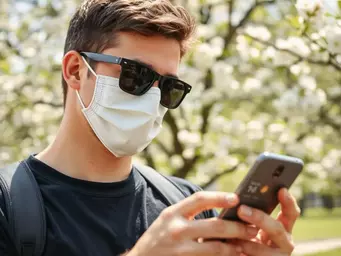
- ✓ Use protective gear (sunglasses, masks)
- ✓ Wash hair and clothes after outdoors
Proactive Steps for Allergy Management
✅
Follow forecasts
✅
Educate yourself
✅
Consult professionals
Understanding Pollen Levels and Their Impact on Health
As spring blooms and trees come to life, many of us face a familiar challenge: pollen allergies. It’s essential to understand how pollen levels affect our health, especially for those with allergies. The first step to managing these symptoms is knowing what triggers them. Let’s delve into why monitoring pollen is crucial for allergy sufferers.
Why Monitoring Pollen is Crucial for Allergy Sufferers
For anyone dealing with allergies, keeping an eye on pollen counts can make a world of difference. When we know the pollen levels, it can help us plan our activities and avoid flare-ups. Here’s why it’s vital:
- Preventive Action: By tracking pollen levels, you can take preventive measures before symptoms arise.
- Customized Management: Understanding which pollen types affect you the most allows for tailored management strategies.
- Enhanced Quality of Life: Reducing exposure to high pollen days can significantly improve your daily comfort and well-being, as highlighted by experts on how to prepare for longer allergy seasons.
By staying informed, you can manage your allergies proactively, making those beautiful spring days much more enjoyable!
How Pollen Affects Different Health Conditions
Pollen isn’t just an annoyance; it can have serious implications for various health conditions. For instance, asthma sufferers may experience heightened symptoms during pollen season. In addition to asthma, here are a few health issues aggravated by pollen:
- Allergic Rhinitis: Commonly known as hay fever, it can cause sneezing, itching, and a runny nose.
- Sinusitis: Pollen can exacerbate sinus inflammation, leading to pressure and pain.
- Dermatitis: Skin reactions can occur in some individuals who are particularly sensitive to pollen.
Being aware of how pollen interacts with these conditions can guide you in seeking essential treatment options or adjusting your environment for relief. Research indicates that pollen seasons are becoming longer and more intense, affecting millions and underscoring the need for effective management.
Recognizing Common Allergy Symptoms Triggered by Pollen
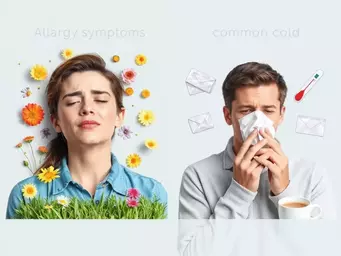
Recognizing the symptoms of pollen allergies is crucial in managing your health effectively. Many people often mistake these symptoms for a common cold. Here are the most common indicators:
- Runny or Stuffy Nose: This is often the first sign that pollen is affecting you.
- Sneezing and Itching: Allergies can cause bouts of sneezing and itchy eyes.
- Coughing or Wheezing: Allergic reactions can trigger asthma-like symptoms, as discussed in studies on pollen and asthma.
Understanding these symptoms can help you take appropriate actions, whether it’s reaching for your allergy medication or opting to stay indoors on high pollen days.
Frequently Asked Questions (FAQs)
Q1: Why is monitoring pollen levels important for allergy sufferers?
A1: Monitoring pollen levels is crucial because it allows individuals to take preventive actions before symptoms arise, tailor their management strategies based on specific pollen triggers, and improve their overall quality of life by reducing exposure on high pollen days.
Q2: What are some common health conditions aggravated by pollen?
A2: Pollen can aggravate conditions such as allergic rhinitis (hay fever), sinusitis, and dermatitis. It can also heighten symptoms for individuals with asthma, making effective management even more critical.
Q3: What are the typical symptoms of a pollen allergy?
A3: Common pollen allergy symptoms include a runny or stuffy nose, sneezing, itchy eyes, and sometimes coughing or wheezing, which can mimic asthma symptoms.
Q4: What are effective strategies for managing pollen exposure?
A4: Effective strategies include monitoring daily pollen counts, timing outdoor activities for low pollen times, preparing your home with HEPA filters, practicing good personal hygiene (showering after being outdoors), and consulting healthcare providers about allergy medications.
Q5: How can one minimize allergy symptoms on high pollen days?
A5: On high pollen days, it's advisable to limit outdoor time, keep windows closed and use air conditioning, wear protective gear like sunglasses and masks when outside, and wash hair and clothes after returning indoors to reduce pollen transfer.
We Want to Hear From You!
How do you manage your pollen allergies? Share your strategies and experiences with us:
Recap of Essential Pollen Management Strategies
As we navigate the challenges of pollen season, it's crucial to keep some key strategies in mind for effective monitoring and management of your allergies. This recap will help reinforce the best practices that you can implement to minimize the impact of pollen on your health.
- Monitor pollen counts daily: Use reliable apps or websites to stay updated.
- Time your outdoor activities: Plan your errands during lower pollen times, like early morning or after rain.
- Prepare your home: Use HEPA filters and air purifiers to reduce indoor pollen.
- Practice good personal hygiene: Shower and change clothes after spending time outdoors.
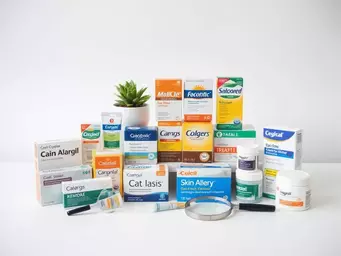
- Consider medications: Talk with your healthcare provider about the best timing for allergy medications.
These strategies can empower you to take proactive steps in managing your allergies, enhancing your overall comfort during pollen-heavy days!
Key Takeaways for Effective Pollen Monitoring
Effective pollen monitoring is essential for anyone affected by allergies. Here’s a quick summary of the most effective methods:
- Utilize pollen forecasting tools: Regularly check your favorite app or website for updates.
- Understand your local pollen patterns: Familiarize yourself with seasonal shifts in pollen levels.
- Stay engaged with your community: Share updates and insights with fellow allergy sufferers.
By leveraging these monitoring techniques, you can significantly reduce the discomfort that pollen often brings. Remember, knowledge is power in managing allergies!
Strategies to Minimize Allergy Symptoms During High Pollen Days
High pollen days can feel overwhelming, but with the right strategies, you can minimize your symptoms effectively. Here are some tried-and-true methods:
- Limit outdoor time: Stay indoors as much as possible, especially during peak pollen hours.
- Keep windows closed: Use air conditioning rather than opening windows to maintain indoor air quality.
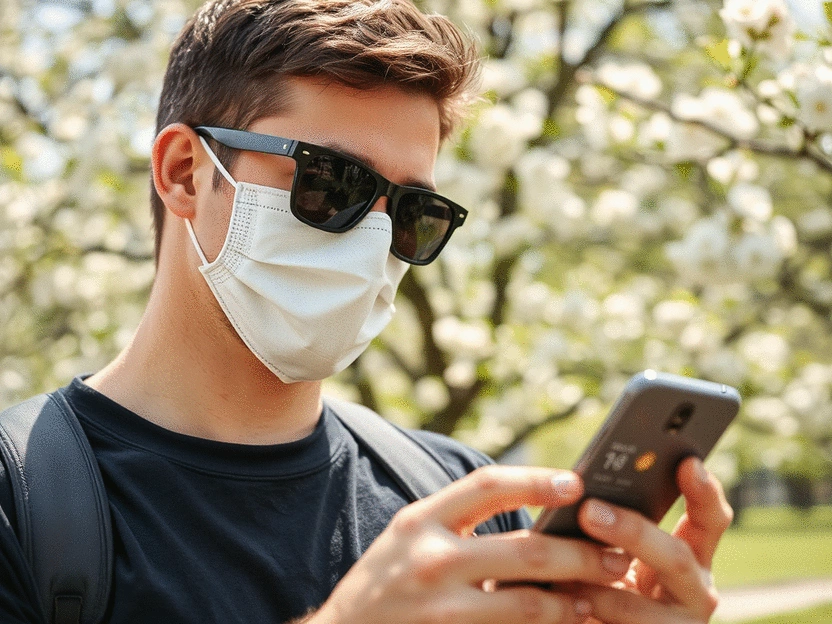
- Use protective gear: Wear sunglasses and masks when you need to go outside.
- Wash your hair and clothes: After spending time outdoors, this reduces pollen transfer into your home.
Implementing these strategies can help you maintain your quality of life during high pollen days. It's all about finding what works for you and staying one step ahead of those pesky allergens!
Encouragement for Healthier Living During Pollen Season
Remember, being proactive in your approach to managing allergies can make a world of difference! By staying informed, you can enhance your health and comfort throughout pollen season.
Staying Informed and Proactive: Your Role in Allergy Management
As an allergy sufferer, your role in managing your condition is vital. Stay informed by:
- Following pollen forecasts: This will help you plan your activities accordingly.
- Educating yourself: Explore resources on allergies, like those found at What Are Allergies.
- Connecting with healthcare professionals: Regular check-ins can help adjust your management plan as needed.
Taking these steps makes you a crucial player in your own health journey! Don't hesitate to reach out for support when needed.
Exploring Community Health Resources for Better Allergy Management
Community resources can be invaluable in your allergy management journey. Consider:
- Local support groups: Connecting with others who share similar experiences can provide encouragement and practical tips.
- Workshops and seminars: Attend events organized by health professionals to learn more about managing allergies.
- Online forums: Join discussions in online communities focused on allergy awareness and management.
By utilizing these resources, you can enhance your understanding and management of allergies, ultimately leading to better health outcomes!
Join the Conversation: Share Your Tips and Experiences
I invite you to join the conversation! Share your personal tips and experiences about managing allergies during pollen season. Together, we can create a supportive environment where everyone benefits from shared knowledge.
Your insights may help someone else facing similar challenges, and that's what community is all about! Let's empower each other to navigate allergy management with confidence!
Recap of Key Points
Here is a quick recap of the important points discussed in the article:
- Monitor pollen counts daily: Use reliable apps or websites to stay updated.
- Time your outdoor activities: Plan your errands during lower pollen times, like early morning or after rain.
- Prepare your home: Use HEPA filters and air purifiers to reduce indoor pollen.
- Practice good personal hygiene: Shower and change clothes after spending time outdoors.
- Consider medications: Discuss with your healthcare provider about the best timing for allergy medications.
- Limit outdoor time: Stay indoors as much as possible during peak pollen hours.
- Keep windows closed: Use air conditioning instead of opening windows to maintain indoor air quality.
- Use protective gear: Wear sunglasses and masks when going outside on high pollen days.

George Washington
Lorem ipsum dolor sit amet, consectetur adipisicing elit. Ducimus itaque, autem necessitatibus voluptate quod mollitia delectus aut, sunt placeat nam vero culpa sapiente consectetur similique, inventore eos fugit cupiditate numquam!