OTC Treatments for Skin Allergies
Have you ever found yourself scratching an itchy rash and wondering what caused it? Skin allergies can often lead to discomfort and confusion, but understanding them can empower you to take control of your skin health. Let's explore the key points that will help you navigate the complexities of skin allergies.
What You Will Learn
- Skin allergies occur when the immune system mistakenly identifies harmless substances as threats, leading to allergic reactions.
- Common symptoms of skin allergies include redness, itching, dryness, and swelling or hives, which are important to recognize for effective treatment.
- Identifying allergens like environmental triggers, food sensitivities, and irritants in cosmetics is essential for managing skin allergies.
- Over-the-counter (OTC) treatments can be convenient but may not always address the underlying cause of allergies; understanding their pros and cons is crucial.
- Natural remedies, such as aloe vera and oatmeal baths, can complement OTC treatments for soothing itchy and irritated skin.
- Implementing preventive measures, including moisturizing and using hypoallergenic products, can significantly improve skin health and comfort.
Understanding Skin Allergy Triggers and Treatment Options
This visual outlines common triggers for skin allergies and compares over-the-counter (OTC) treatments with natural remedies, highlighting their respective pros and cons for effective management.
Common Skin Allergy Triggers
- ✓ Environmental allergens (Pollen, Dust mites)
- ✓ Food allergens (Nuts, Dairy)
- ✓ Cosmetics/Skincare products
- ✓ Certain fabrics & detergents
OTC Treatments: Pros & Cons
Pros:
- ✓ Convenient access
- ✓ Variety of options
- ✓ Cost-effective
Cons:
- ✖ May not address cause
- ✖ Potential side effects
- ✖ Not effective for all
Natural Remedies for Relief
- ● Aloe Vera: Apply gel directly to affected area for soothing.
- ● Oatmeal Baths: Add colloidal oatmeal to lukewarm water; soak 10-15 mins.
— Gentle, can complement OTC treatments.
Key Preventive Measures
- ✓ Identify & avoid known allergens
- ✓ Keep skin moisturized (fragrance-free)
- ✓ Gentle cleansing routine
- ✓ Use hypoallergenic products
Understanding Skin Allergies and Their Symptoms
Skin allergies can be a frustrating experience for many. At What Are Allergies, I understand how overwhelming it can feel to navigate the world of skin sensitivities. When your skin reacts negatively to certain substances, it can lead to discomfort and confusion. Let's take a closer look at what skin allergies are and how to recognize their symptoms.
What Are Skin Allergies?
Skin allergies occur when your immune system reacts to a substance, known as an allergen, that it mistakenly identifies as harmful. Common allergens include pollen, pet dander, certain foods, and medications. When exposed, your body responds by producing antibodies that trigger allergic reactions. This can manifest as inflammation or irritation on your skin, making it crucial to understand these conditions better. For more information on managing allergies, you can consult resources like the Mayo Clinic's guide to allergy medications.

Common types of skin allergies include contact dermatitis, which results from direct contact with an allergen, and atopic dermatitis, also known as eczema. Each type has its own set of challenges, but recognizing them is the first step towards effective management.
Common Symptoms of Skin Allergies
Identifying the symptoms of skin allergies can help you seek appropriate relief. Here are some common signs to watch out for:
- Redness or rash on the affected area
- Itching that may be mild to severe
- Dryness or flaking skin
- Swelling or hives
If you experience these symptoms after coming into contact with a potential allergen, it’s essential to take note and consult with a healthcare professional. Just remember, you’re not alone in this journey!
Understanding Skin Allergy Triggers and Environmental Factors
Many factors can contribute to skin allergies. Identifying your personal triggers is vital for effective management. Common triggers include:
- Environmental allergens like pollen and dust mites
- Food allergens such as nuts and dairy products
- Cosmetics or skincare products with irritants
- Certain fabrics or detergents that may cause reactions
Being aware of these triggers can empower you to make informed decisions about your environment and personal care products. Keeping a journal to track your symptoms and possible allergens can also help you pinpoint what’s causing your reactions. For specific information regarding medications and potential side effects, you might find the FDA's warnings on oral allergy medicines helpful.
Pro Tip
Did you know? Keeping a detailed journal of your skin reactions can significantly aid in identifying specific allergens. By noting down what you eat, the products you use, and your environment, you can pinpoint triggers more effectively and discuss them with your healthcare provider for tailored advice.
Making Informed Choices for Skin Allergy Relief
When it comes to finding relief from skin allergies, understanding your options is crucial. The world of over-the-counter (OTC) treatments can be overwhelming, but I’m here to help you navigate through the pros and cons. Let's dive into what you need to know to make informed decisions and find the best path for your skin health!
Evaluating Your Options: Pros and Cons of OTC Treatments
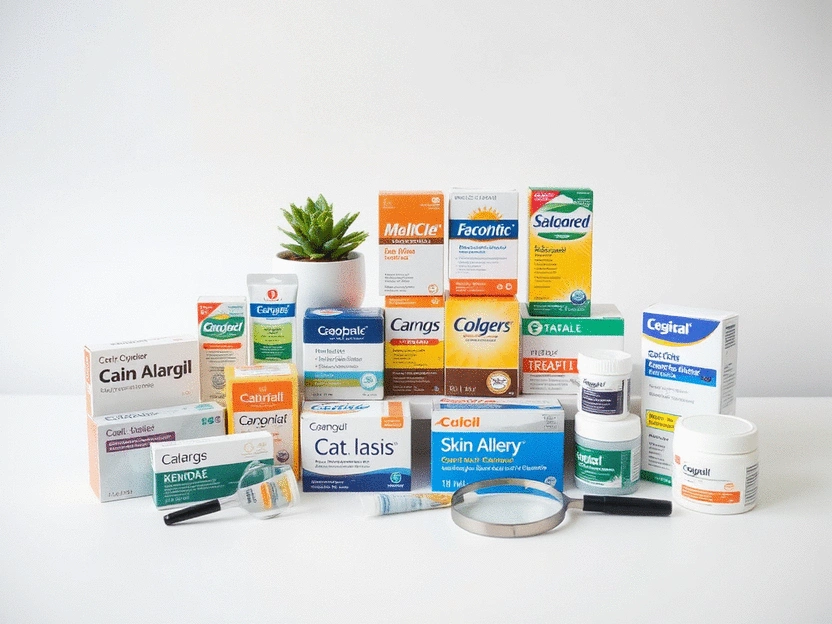
OTC treatments have become a popular choice for many individuals dealing with skin allergies. However, it’s important to weigh the advantages and disadvantages. Here's a quick breakdown:
- Pros:
- Convenient access without a prescription
- Variety of options to address different symptoms
- Cost-effective compared to prescription drugs
- Cons:
- May not address the underlying cause of allergies
- Potential for side effects and interactions
- Some treatments may not be effective for everyone
By understanding these factors, you can make a more informed choice about the right treatment for your skin allergies. Always remember, what works for one person may not work for another, so it's essential to monitor your body’s response. For advanced treatments, you can explore options like Sublingual Immunotherapy (SLIT), as discussed by the Cleveland Clinic.
Natural Remedies vs. OTC: What You Should Know
Many people wonder if natural remedies can be as effective as OTC treatments for skin allergies. In my practice, I've seen how both can offer relief, but they often work best when used together. Let’s explore some natural options!

Exploring Aloe Vera and Oatmeal Baths for Itching Relief
Aloe vera is renowned for its soothing properties, making it a popular choice for alleviating itching and irritation. Similarly, oatmeal baths can provide calming effects for inflamed skin. Here’s how you can use them:
- Aloe Vera:
- Apply fresh aloe vera gel directly to the affected area
- Use products containing aloe vera for added moisture
- Oatmeal Baths:
- Add colloidal oatmeal to a lukewarm bath
- Soak for 10-15 minutes for maximum relief
Both remedies are gentle on the skin and can complement your OTC treatments. It’s all about finding what works best for you while being mindful of your skin's needs!
Preventive Measures and Skin Care Routines
Prevention is key when it comes to managing skin allergies. Establishing a solid skincare routine can make a world of difference in keeping your skin healthy and comfortable. Here are some tips you can incorporate:
- Identify and avoid known allergens in your environment
- Keep your skin moisturized with fragrance-free lotions
- Practice gentle cleansing to avoid skin irritation
- Use hypoallergenic products for skin care and laundry
By integrating these preventive measures into your daily routine, you'll empower yourself to manage skin allergies more effectively. Remember, healthy skin is happy skin!
Frequently Asked Questions About Skin Allergies
- What are common types of skin allergies?
- Common types include contact dermatitis, which results from direct contact with an allergen, and atopic dermatitis (eczema), a chronic condition characterized by dry, itchy skin.
- What are the key symptoms of a skin allergy?
- Key symptoms often include redness or a rash, itching (ranging from mild to severe), dryness or flaking skin, and swelling or hives.
- How can I identify my skin allergy triggers?
- Identifying triggers involves observing your environment, diet, and personal care products. Keeping a detailed journal of your symptoms and potential exposures can help pinpoint specific allergens.
- Are over-the-counter (OTC) treatments always effective for skin allergies?
- OTC treatments offer convenient access and a variety of options for symptom relief. However, they may not address the underlying cause of allergies, can have side effects, and may not be effective for everyone.
- What natural remedies can help soothe allergic skin reactions?
- Natural remedies like applying fresh aloe vera gel directly to the affected area and taking colloidal oatmeal baths (soaking for 10-15 minutes in lukewarm water) can provide soothing relief for itching and irritation.
Recap of Key Points
Here is a quick recap of the important points discussed in the article:
- Skin allergies occur when the immune system reacts to allergens, leading to symptoms like redness and itching.
- Common triggers include environmental allergens, food allergens, and certain skincare products.
- Over-the-counter treatments can provide relief, but it's essential to understand their pros and cons.
- Natural remedies, such as aloe vera and oatmeal baths, can complement OTC treatments effectively.
- Establishing a skincare routine and avoiding known allergens are crucial for managing skin allergies.

George Washington
Lorem ipsum dolor sit amet, consectetur adipisicing elit. Ducimus itaque, autem necessitatibus voluptate quod mollitia delectus aut, sunt placeat nam vero culpa sapiente consectetur similique, inventore eos fugit cupiditate numquam!