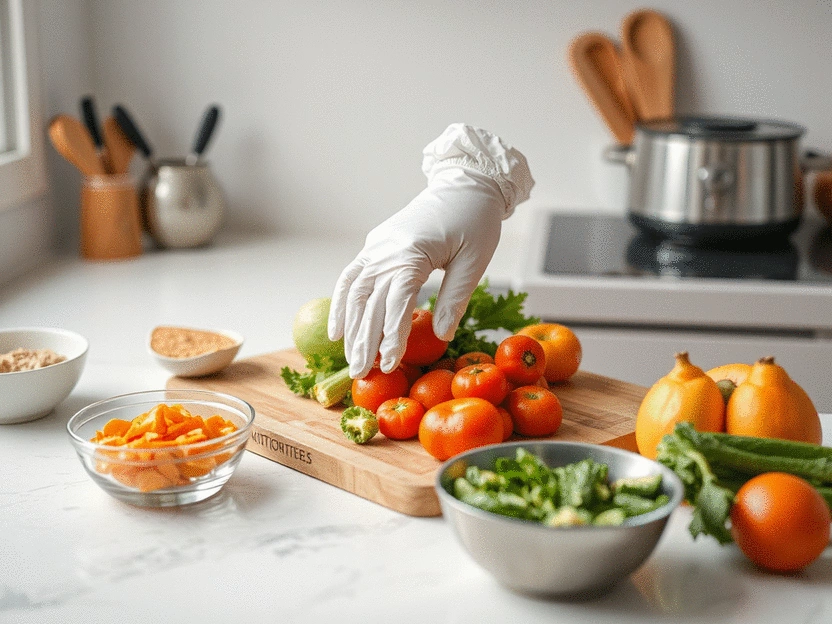
Allergen Transfer
Mechanism: Unintended mixing of allergenic foods with non-allergenic foods.
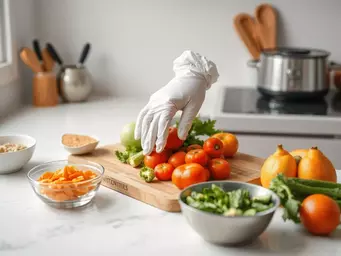
Example: Using the same cutting board for nuts and vegetables.
Risk: Allergic reactions, from mild to life-threatening (anaphylaxis).
In a world where food allergies can pose serious health risks, understanding cross-contact and allergen management is essential. This knowledge empowers us to create a safer dining environment for everyone.
Understanding the fundamental distinctions between allergen transfer and bacterial contamination is crucial for maintaining food safety. While both pose health risks, they arise from different mechanisms, as summarized below.
Mechanism: Unintended mixing of allergenic foods with non-allergenic foods.
Example: Using the same cutting board for nuts and vegetables.
Risk: Allergic reactions, from mild to life-threatening (anaphylaxis).
Mechanism: Spread of harmful bacteria due to improper handling or cooking.
Example: Inadequate cooking temperatures or poor hygiene.
Risk: Foodborne illnesses, such as food poisoning.
When we talk about food allergies, it’s essential to understand the concept of cross-contact. This occurs when allergens inadvertently mix with allergen-free foods, leading to potentially serious health risks. Imagine preparing a delicious meal and unknowingly causing harm to someone with an allergy just because the knife you used had touched nuts. By recognizing what cross-contact means, we take the first step toward safer food preparation practices. For more detailed information on preventing cross-contact, you can refer to guidance from the FDA on preventing cross-contact.
It's crucial to distinguish allergen transfer from bacterial contamination. While both can lead to health issues, they stem from different sources. Allergen transfer happens when an allergenic substance comes into contact with another food or surface, while bacterial contamination is about harmful bacteria spreading through improper food handling. Understanding these differences will guide our efforts in ensuring food safety.
Allergen transfer can occur during various stages of food preparation and cooking. For example, using the same cutting board for both raw meats and vegetables can lead to cross-contact. In contrast, bacterial contamination typically arises from inadequate cooking temperatures or poor hygiene practices. Recognizing these two risks helps us implement better safety measures!
By being vigilant about both allergen transfer and bacterial contamination, we can create a safer kitchen environment for everyone. At What Are Allergies, we believe that education is the key to effective allergy management, and understanding these concepts is just the beginning.
Awareness of cross-contact is vital, especially for individuals managing food allergies. It’s not just a matter of avoiding known allergens—it's also about preventing accidental exposure. A single mistake can lead to serious reactions, and the effects can range from mild discomfort to life-threatening situations. The Food Allergy Research & Education (FARE) organization provides valuable resources on avoiding cross-contact to ensure food safety.
Involving others in our journey toward safe food practices empowers us and fosters a supportive environment. By spreading awareness about cross-contact, we contribute to a community that prioritizes health and safety.
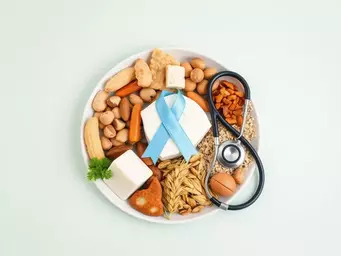
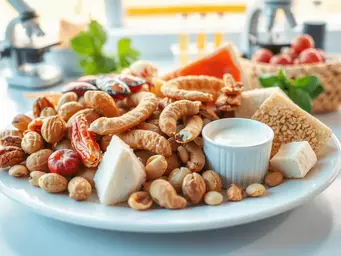
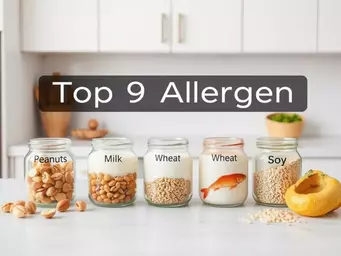
Three of the most common allergens include gluten, nuts, and dairy. Knowing how these allergens can contaminate other foods is essential for preventing cross-contact. For instance, gluten can be hidden in sauces, while nuts can be found in unexpected places like baked goods and granola bars.
As someone who has worked with many families navigating allergies, I can attest to the importance of vigilance. By understanding these allergens and their potential hiding spots, you can make informed decisions that protect your loved ones. Let’s keep this conversation going and work together toward safer food practices!
Did you know? To prevent cross-contact effectively, designate separate utensils and cutting boards for allergenic and non-allergenic foods. This simple practice can significantly reduce the risk of accidental allergen exposure in your kitchen!
As someone passionate about allergy management, I know just how essential it is to recognize the signs of an allergic reaction. Awareness can make a significant difference in how quickly and effectively we respond. Reactions can vary widely between individuals, but common symptoms include hives, swelling, or difficulty breathing. In some cases, reactions can escalate to anaphylaxis, a severe and life-threatening condition that requires immediate medical attention.
Understanding these symptoms can empower you and your loved ones to act fast. When experiencing an allergic reaction, it’s crucial to remain calm and assess the situation. Always have an emergency action plan in place, as this can save lives. If you notice any severe symptoms, don’t hesitate to call emergency services!
Recognizing the signs of an allergic reaction early can prevent complications. Here are some common symptoms to look out for:
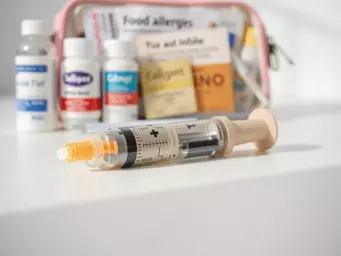
If you or someone else experiences symptoms of anaphylaxis, such as difficulty breathing or swelling of the throat, it’s crucial to use an epinephrine auto-injector, if available. This can provide immediate relief while waiting for professional medical help. The FDA offers extensive information on food allergies, including symptoms and emergency responses.
Creating an effective emergency action plan is vital for anyone with food allergies. Here’s what to include:
Having this plan written down and easily accessible can bring peace of mind. It’s also a good idea to share this information with family, friends, and caregivers. Being prepared is the best way to safeguard your health!
If you suspect exposure to an allergen, here are the steps you should follow:
Remember, each exposure can be different, and your body may react in unpredictable ways. Always prioritize your safety and health!
Here are some common questions to further clarify the important aspects of food allergy management and cross-contact:
For businesses in the food industry, understanding and complying with food safety regulations is non-negotiable. Not only does it protect consumers, but it also builds trust within the community. As the founder of What Are Allergies, I’ve seen how vital these practices are in reducing the risk of allergen exposure.
Compliance can seem daunting, but it’s essential for maintaining safe food preparation and handling practices. Familiarize yourself with local regulations and ensure your staff is adequately trained to uphold these standards.
Food businesses must follow strict guidelines to ensure safety. These often include:
Being knowledgeable about these regulations can help minimize risks associated with food allergies and protect your customers.
The Hazard Analysis Critical Control Point (HACCP) system is a valuable tool for food businesses. It focuses on identifying and controlling potential hazards in food preparation. By implementing HACCP, you can:
This system not only enhances food safety but also reassures your customers that you prioritize their health!
Regular food safety audits and risk assessments are essential for maintaining compliance and safety standards. These processes can help you:
By conducting these assessments regularly, you can bolster your commitment to safe food practices, enhancing your reputation as a trusted food provider.
At What Are Allergies, we believe that sharing experiences and knowledge leads to better awareness and understanding of food allergies. Engaging with your community can pave the way for more informed practices and support.
By discussing your experiences and learning from others, we can work together to create safer environments for everyone. Let’s foster an ongoing conversation about food allergies and safety!
Have you or someone you know managed food allergies? Share your story! Your insights can help others navigate similar challenges. Whether it’s a tip for avoiding cross-contact or a favorite allergen-free recipe, every contribution counts.
Staying updated on food safety research is crucial for both consumers and businesses. Follow reputable sources for the latest findings and recommendations. Continuous learning enables us to adapt our practices to ensure the highest safety standards.
Joining community support groups can significantly enhance your understanding of food allergies. These groups provide a platform for sharing resources, advice, and support. Whether online or in-person, connecting with others facing similar challenges can be incredibly empowering.
Here is a quick recap of the important points discussed in the article:
Lorem ipsum dolor sit amet, consectetur adipisicing elit. Ducimus itaque, autem necessitatibus voluptate quod mollitia delectus aut, sunt placeat nam vero culpa sapiente consectetur similique, inventore eos fugit cupiditate numquam!