Epidemiological Insights: Anxiety & Eczema
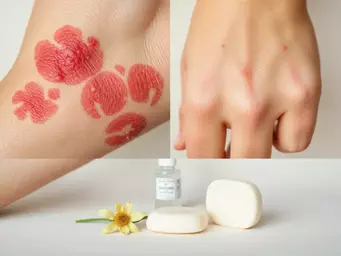
**40% of individuals with eczema** reported symptoms of anxiety. This highlights a clear correlation between chronic skin conditions and mental health challenges.
40% ANXIETY
The connection between skin allergies and mental health is not just skin deep. As individuals struggle with visible skin conditions, the emotional ramifications can become overwhelming. This article sheds light on how skin allergies intertwine with mental well-being, presenting actionable insights to manage both.
This visual illustrates the significant connections and impacts between skin allergies and mental well-being, highlighting key statistical correlations and biological mechanisms.
**40% of individuals with eczema** reported symptoms of anxiety. This highlights a clear correlation between chronic skin conditions and mental health challenges.
Patients with psoriasis show a **higher incidence of depression**, indicating a strong link between severe skin issues and mood disorders.
The **skin-brain axis** involves neuroimmune pathways where inflammatory responses from skin allergies can impact brain function, leading to mood disturbances.
Elevated **cytokine levels** in skin allergies disrupt neurotransmitters like GABA and serotonin, increasing anxiety and sadness.
Have you ever noticed how a flare-up of skin allergies can leave you feeling more than just physically uncomfortable? It's fascinating to consider the relationship between skin allergies and mental health outcomes. As an allergist, I often see how these two aspects intertwine. When individuals experience visible skin conditions, it can lead to emotional distress, anxiety, and even depression. In this section, we'll explore this connection in greater detail, shedding light on how skin allergies can affect not just the skin but our overall mental well-being.
The impact of skin allergies extends beyond the physical symptoms. For many, the experience can be overwhelming, leading to feelings of isolation and self-consciousness. Understanding the connection between skin allergies and mental health is essential for effective management. Research indicates that the mental strain caused by skin conditions can exacerbate the physical symptoms, creating a cycle that’s tough to break.
Recognizing these challenges is a crucial step toward improving both skin and mental health. By acknowledging this connection, we can foster a more holistic approach to treatment, one that considers the whole person—not just their symptoms.
Recent epidemiological studies have unveiled some compelling findings about the link between skin allergies and mental health conditions, such as anxiety and depression. For instance, large-scale cohort studies demonstrate a significant correlation between the severity of skin allergies and the prevalence of mental health issues. These studies show that individuals with chronic skin conditions are more likely to experience symptoms of anxiety and depression compared to those without. For example, a survey by the American College of Allergy, Asthma & Immunology found that 72% of eczema patients suffered poor mental health symptoms.
These insights underline the importance of addressing mental health as part of skin allergy management. By understanding the psychological implications of skin conditions, we can better support our patients in achieving not just physical relief, but also emotional well-being.
Delving deeper, it’s essential to examine how our skin and brain communicate through various biological mechanisms. This connection, often referred to as the skin-brain axis, involves neuroimmune pathways that link physical health with mental health. For example, inflammatory responses triggered by skin allergies can influence brain function, leading to mood disturbances. Research published in PMC further explains how the skin-brain axis plays a crucial role in the bidirectional communication between the central nervous system and the skin.
As we explore this fascinating relationship, it’s clear that our skin does much more than serve as a protective barrier. It plays a role in our emotional health, highlighting the complex interactions between our bodies and minds.
Cytokines and neurotransmitters are critical in this interplay between skin and mental health. For instance, substances like GABA and serotonin are involved in both allergic responses and mood regulation. Elevated cytokine levels, often seen in individuals with skin allergies, can disrupt the balance of neurotransmitters, leading to increased feelings of anxiety and sadness. A study available on PMC delves into the intricate relationship between cytokines and neurotransmitters in skin allergies and their impact on mental health.
This biological interplay showcases how skin conditions can have far-reaching effects, impacting our mental health in significant ways. It’s a reminder that caring for our skin is not just about looking good; it’s about feeling good too.
Neuroinflammation, a key player in this discussion, can exacerbate mental health issues. Individuals with skin allergies often experience chronic inflammation, which has been linked to increased anxiety and depression levels. The persistent inflammatory state can affect brain regions responsible for regulating mood, leading to a compounded effect on mental well-being.
Understanding the implications of neuroinflammation is vital for anyone navigating the challenges of skin allergies. By recognizing how inflammation interacts with our mental health, we can take proactive steps toward achieving a healthier balance.
Have you ever experienced a skin allergy that affected your mood or mental health? We’d love to know how you navigated those challenges. Share your thoughts below:
Managing skin allergies often involves not just physical symptoms but also emotional well-being. At What Are Allergies, I believe that understanding the connection between your skin health and mental health is key. Let’s explore some actionable steps you can take to navigate this journey effectively.
Recognizing when to seek mental health support is crucial, especially if you’re feeling overwhelmed by your skin allergies. Here are some indicators that it may be time to reach out for help:
If you find yourself identifying with any of these symptoms, consider scheduling a visit with a mental health professional. Having the right support can make a world of difference!
Managing both skin allergies and mental health can be a collaborative effort. Integrating care means working closely with various healthcare providers. Here’s how to take a stepwise approach:
This team approach ensures that all aspects of your health are considered, helping you feel more empowered and understood!
Behavioral therapy, especially cognitive behavioral therapy (CBT), can be a powerful tool for managing both skin allergies and mental health issues. Through therapy, you can:
Many individuals find that therapy not only helps them manage their skin allergies but also enhances their overall mental well-being. It’s worth exploring!
A consistent and effective skin care routine can significantly impact both your skin and your mental health. Here are some steps to create a routine that supports both:
Taking time for your skin care can be a form of self-care that not only alleviates physical symptoms but also boosts your mood and confidence. Remember, you deserve to feel good in your own skin!
Lorem ipsum dolor sit amet, consectetur adipisicing elit. Ducimus itaque, autem necessitatibus voluptate quod mollitia delectus aut, sunt placeat nam vero culpa sapiente consectetur similique, inventore eos fugit cupiditate numquam!