Mild Reactions
- Itching and redness
- Hives or welts
- Swelling (face/limbs)
Have you ever felt an unexpected rash after starting a new medication? Such reactions can be more than mere coincidences; they may signify a drug-induced skin allergy. Understanding these allergies isn't just beneficial—it's essential for your health and well-being.
This visual outlines the categories of medications most commonly associated with skin allergies and the spectrum of reactions they can trigger, from mild to severe.
Have you ever noticed a rash appearing after starting a new medication? This can be more than just a coincidence; you might be experiencing a drug-induced skin allergy. Understanding these allergies is crucial for effective management and improving your quality of life. In this section, we'll explore what drug-induced skin allergies are, identify common medications that could trigger these reactions, and discuss how to recognize symptoms. Let's dive in!
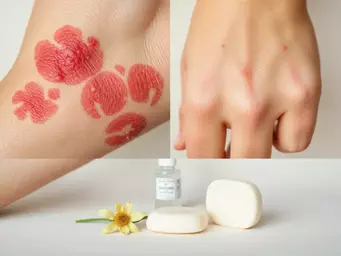
Drug-induced skin allergies occur when your immune system reacts negatively to certain medications. This miscommunication can lead to a variety of symptoms, which can range from mild rashes to severe skin conditions. Recognizing the signs early can significantly impact your treatment and recovery.
Essentially, a drug allergy is an exaggerated immune response to a medication that your body mistakenly identifies as harmful. Common symptoms include:
Understanding these symptoms is the first step in managing your health effectively!
Timely recognition of skin reactions can prevent complications and promote better management strategies. If you notice any unusual skin changes after starting a new medication, it’s essential to consult with your healthcare provider. Early detection can lead to adjustments in treatment that can keep your skin healthy and comfortable.
Many medications can trigger skin allergies, and being informed can empower you to make safer choices. Below, I’ve outlined some common categories of medications known to cause these reactions.
Antibiotics like penicillin and sulfonamides are frequently cited as common causes of drug-induced skin allergies. They can trigger reactions ranging from mild rashes to more serious conditions. If you or a family member has a history of allergies to these drugs, be sure to inform your healthcare provider.
Sulfonamides are particularly notorious for causing skin reactions. It's essential to recognize these risks, especially if you are prescribed these medications for the first time.
Non-steroidal anti-inflammatory drugs (NSAIDs), like ibuprofen, can also lead to skin reactions. Many people use them for pain relief without considering their potential effects on the skin. If you notice any changes after taking these medications, it’s crucial to seek advice.
Aspirin, while being a common pain reliever, has been linked to allergic reactions in some individuals. Being aware of this can help you make informed choices regarding your pain management.
Anti-seizure medications, like phenytoin, can also cause skin reactions. If you or someone you know is taking these medications, monitoring for any skin changes is essential.
Similar to anti-seizure drugs, anticonvulsants can lead to adverse skin effects. Being vigilant about your skin’s response can guide your healthcare provider in adjusting your treatment plan.
Chemotherapy is known for its potential for severe side effects, including skin reactions. These can sometimes be debilitating, making it important to communicate with your oncologist about any skin issues you experience.
Beyond the categories mentioned, medications like warfarin (a blood thinner) and certain diuretics can also cause skin issues. Always discuss your full medication list with your healthcare provider, especially if you start noticing skin changes.
Skin reactions can vary widely in severity, and understanding the spectrum is crucial for proper management.
While some skin reactions are mild and resolve on their own, others can be severe and require immediate attention. If you experience any skin changes, it’s best to consult with a healthcare professional as soon as possible.
Two severe reactions to medications include Stevens-Johnson Syndrome and Toxic Epidermal Necrolysis. These conditions can be life-threatening and manifest as painful rashes and peeling skin. It’s vital to seek emergency care if you suspect either condition!
To understand drug allergies better, we must look at their underlying mechanisms. Here’s a brief overview of how these allergies come about.
Your immune system plays a vital role in identifying harmful substances. In the case of drug allergies, it wrongly identifies a medication as a threat, leading to a hypersensitive reaction.
Interestingly, genetic factors can also influence how our bodies react to certain medications. Some individuals may be more predisposed to allergies, so understanding your family history can be beneficial.
A proper diagnosis is essential in managing drug allergies effectively. Below are the main strategies for diagnosis and management.
Diagnosing drug allergies typically starts with your healthcare provider reviewing your symptoms and medical history. In some cases, they may recommend allergy testing to confirm the diagnosis.
If a medication is identified as the cause of your skin reactions, discontinuing it is often the first step. Your healthcare provider can help find safe alternatives that suit your medical needs.
Treatment options to alleviate symptoms can include antihistamines, which help reduce itching and swelling, as well as corticosteroids for more severe reactions. Supportive care is also vital in managing symptoms effectively.
Topical treatments, like hydrocortisone cream, can provide relief from localized itching and inflammation. These treatments can be very effective in managing mild skin reactions.
It’s important to note that certain populations, such as children and pregnant women, may have different reactions to medications. Here’s what to keep in mind.
Children can be particularly sensitive to certain medications, and their skin may react differently than adults. Always consult with a pediatrician if you have concerns about medication side effects.
Some medications can also cause photosensitivity, leading to skin reactions upon sun exposure. Being aware of this can help you take necessary precautions!
Hormonal medications can influence skin sensitivity and may lead to unexpected reactions. Women taking hormonal treatments should monitor their skin closely and consult with their healthcare provider if changes occur.
Drug-induced skin allergies occur when your immune system overreacts to certain medications, mistakenly identifying them as harmful. This can lead to various skin symptoms.
Common symptoms include itching, redness, hives or welts, swelling of the face or limbs, and severe rashes that may blister. These can range from mild to life-threatening.
Antibiotics (especially penicillin and sulfonamides), NSAIDs (like ibuprofen and aspirin), anti-seizure medications, and chemotherapy drugs are among the leading contributors to drug-induced skin allergies.
You should seek timely medical attention if you notice any unusual skin changes after starting a new medication. For severe symptoms like blistering rashes, difficulty breathing, or symptoms resembling Stevens-Johnson Syndrome or Toxic Epidermal Necrolysis, emergency care is vital.
Management typically involves discontinuing the offending medication. Treatment options may include antihistamines and corticosteroids to alleviate symptoms, along with supportive care and topical treatments for localized relief. Healthcare providers can also help find safer alternative medications.
Have you or someone you know experienced a skin reaction to medication? What steps did you take to manage the situation? Share your thoughts and experiences below:
As someone who has dedicated over a decade to understanding allergies, I can’t stress enough the importance of recognizing the symptoms of medication-induced skin allergies. Self-awareness is key! The more you know your body and its reactions, the better equipped you'll be to manage your health.
So, what are the signs to look out for? Symptoms can range from mild rashes to severe reactions, and knowing when to seek help is crucial. Here’s a quick guide to help you assess your situation:
If you notice any of these symptoms, I encourage you to reach out to a healthcare provider promptly. Timely medical attention can make all the difference!
Conducting a self-assessment can empower you to recognize medication allergies more effectively. Keep a journal to note any symptoms along with the medications you’re taking. This can be invaluable for discussions with your doctor.
Additionally, understanding the timeline of your symptoms can be helpful. Do they occur right after taking a medication, or do they develop over time? This context can assist your healthcare provider in making a more accurate diagnosis.
Never hesitate to seek help if you suspect a medication allergy. Prompt intervention can prevent more severe complications down the line. For instance, if your rash worsens or you experience difficulty breathing, it’s essential to act quickly and seek emergency care.
Remember, your health is your priority! Equip yourself with knowledge, and don't shy away from asking questions or expressing concerns to your healthcare team.
Looking ahead, understanding your genetic markers can significantly enhance your ability to manage medication risks. Personalized risk assessments can pave the way for targeted preventive strategies.
As research advances, we’re seeing promising developments in treatments and desensitization protocols. Staying informed about these emerging options can empower you in your health journey.
Genetic testing can help identify specific markers that may make you more susceptible to drug allergies. This information can guide healthcare providers in tailoring safer medication plans for you, enhancing your overall safety and wellness.
New treatments are emerging in the field of allergy management, including desensitization protocols that can help some individuals tolerate medications they previously reacted to. This process often involves administering gradually increasing doses under medical supervision and can be life-changing.
Incorporating medications like antihistamines and corticosteroids can help manage symptoms effectively before they escalate. Always consult with your doctor about the best preventative options tailored to your needs.
I urge you to communicate openly with your healthcare providers about your medication risks. They can offer valuable insights that contribute to proactive management!
Don’t be shy about discussing your concerns or exploring alternatives. Understanding the full range of options helps you make informed choices that align with your health goals.
When discussing your medications, be specific about any past reactions or concerns. This transparency is crucial for developing a treatment plan that prioritizes your safety and comfort.
Sometimes, the best approach is to explore alternatives to medications that pose a risk. Your healthcare provider can guide you towards safer options that do not compromise your health.
Finally, consider how dietary supplements might support your skin health. Some nutrients are known to promote skin resilience, including Omega-3 fatty acids and vitamin E. However, always consult with a healthcare professional before starting any new supplement regimen!
Here is a quick recap of the important points discussed in the article:
Lorem ipsum dolor sit amet, consectetur adipisicing elit. Ducimus itaque, autem necessitatibus voluptate quod mollitia delectus aut, sunt placeat nam vero culpa sapiente consectetur similique, inventore eos fugit cupiditate numquam!