Environmental Factors and Skin Allergies

Have you ever felt like your skin has a mind of its own, reacting to the changing seasons and environments? It’s more common than you think! Understanding the relationship between environmental factors and skin allergies can empower you to manage your skin health effectively.
What You Will Learn
- Environmental factors, both indoor and outdoor, significantly impact skin allergy development.
- Common allergens include dust mites, mold spores, and pollen, which can trigger adverse skin reactions.
- Climate change and fluctuating weather patterns may increase the prevalence of skin allergies.
- Implementing preventive measures can reduce exposure to environmental triggers.
Environmental Factors and Skin Allergies: Triggers & Management
This visual summarizes the key environmental triggers of skin allergies and the proactive strategies for managing them effectively.
Key Environmental Triggers
- Indoor Pollutants: Dust mites, mold spores
- Outdoor Pollutants: Air pollution, seasonal allergens
- Climate Variability: Temperature & humidity changes
Proactive Management Strategies
- Allergy Diary: Track reactions & identify patterns
- Home Maintenance: Reduce indoor allergens (cleaning)
- Protective Wear: Use during high pollen seasons
- Healthcare Connect: Seek tailored professional advice
Understanding the Connection Between Environmental Factors and Skin Allergies
Have you ever noticed how your skin reacts differently with the change of seasons? Many people do! Understanding skin allergies and their connection to environmental factors is essential for managing these conditions effectively. Let’s explore what skin allergies are, the types that exist, and the symptoms that may arise.
Defining Skin Allergies: Types and Symptoms
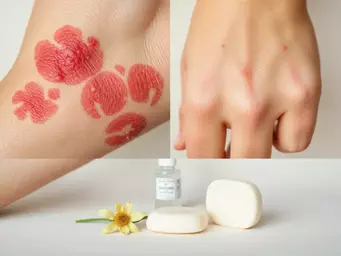
Skin allergies can manifest in various forms, including eczema, hives, and contact dermatitis. Each type presents its own set of challenges. For instance, eczema often leads to red, itchy patches, while hives may cause raised welts on the skin. It’s crucial to recognize the symptoms early to prevent further irritation.
- Eczema: Characterized by dry, itchy, and inflamed skin.
- Hives: Raised, itchy bumps that can appear suddenly.
- Contact Dermatitis: Results from skin exposure to irritants or allergens.
These conditions not only affect your appearance but can also impact your emotional well-being. I often hear from patients that managing their skin allergies feels like a never-ending battle!
The Role of Environmental Factors in Skin Allergy Development
Environmental factors play a significant role in triggering and worsening skin allergies. Imagine walking outdoors during pollen season or spending time in a mold-infested basement—these situations can exacerbate allergic reactions. Identifying these triggers is the first step towards effective management.
- Pollen: Common in spring and summer, it can provoke skin flare-ups.
- Mold: Often found indoors, it can worsen skin sensitivities.
- Chemical Irritants: Found in cleaning products and cosmetics, they can lead to allergic reactions.
By understanding these connections, we can better prepare ourselves for potential skin allergy outbreaks. My goal at What Are Allergies is to empower you with the knowledge to navigate these challenges confidently!
Key Environmental Triggers of Skin Allergies
Now that we’ve established what skin allergies are, let’s dive into specific environmental triggers. Knowing what to look for is key to minimizing flare-ups and protecting your skin health.
- Indoor Pollutants: Dust mites and mold spores can lurk in our homes.
- Outdoor Pollutants: Air pollution and seasonal allergens can wreak havoc on skin conditions.
- Climate Variability: Changes in temperature and humidity can affect skin barrier function.
By understanding these triggers, you can take action to reduce your exposure and manage your skin allergies more effectively. Remember, knowledge is power!

Pro Tip
To effectively manage your skin allergies, consider incorporating a skincare routine that includes hypoallergenic products. Look for items labeled as "fragrance-free" and "non-comedogenic" to minimize the risk of irritation. Regularly patch testing new products can also help you identify potential triggers before full application!
Summarizing the Impact of Environmental Factors on Skin Allergies
As we've explored, environmental factors play a significant role in the development and exacerbation of skin allergies. From indoor pollutants like dust mites and mold spores to outdoor allergens such as pollen and air pollution, understanding these connections can empower us to manage our skin health more effectively. At What Are Allergies, we aim to provide you with the insights needed to navigate these challenges.
Key takeaways from our discussion include recognizing the types of skin allergies and their symptoms, identifying environmental triggers, and understanding how climate can influence skin health. By acknowledging these elements, we can take proactive steps to create a healthier environment for our skin. Several studies, including one published in NCBI, highlight the environmental contribution to allergic reactions, while research in Frontiers in Allergy emphasizes the interplay between climate change and allergic diseases. Additionally, a report from RKI discusses how allergies, climate change, and health are interconnected, further underscoring the importance of environmental awareness.
Key Takeaways: Understanding and Managing Risks
- Environmental factors, both indoor and outdoor, significantly impact skin allergy development.
- Common allergens include dust mites, mold spores, and pollen, which can trigger adverse skin reactions.
- Climate change and fluctuating weather patterns may increase the prevalence of skin allergies.
- Implementing preventive measures can reduce exposure to environmental triggers.
Recognizing these key points helps us take charge of our skin health. By understanding the risks, we can tailor our environments and personal habits to minimize exposure to allergens, ultimately improving our quality of life.
Taking Action: Engaging in Proactive Skin Health Strategies
Empowering ourselves with knowledge is just the first step. To truly manage skin allergies effectively, we must engage in proactive skin health strategies. This means taking personal responsibility for our well-being and being aware of our surroundings and triggers.
Encouraging Personal Responsibility and Awareness
Taking charge of our skin health involves being proactive about our environments. Start by keeping a detailed allergy diary to track reactions to various substances. This personal insight can help identify patterns and triggers, making it easier to avoid them in the future.
- Regularly clean and maintain your home to reduce indoor allergens.
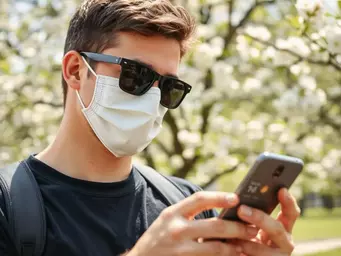
- Wear protective clothing when outdoors, especially during high pollen seasons.
- Stay informed about air quality reports and adjust outdoor activities accordingly.
By fostering this sense of awareness, we can equip ourselves to make informed decisions that positively impact our skin health.

Connecting with Healthcare Professionals for Tailored Advice
It’s essential to remember that we’re not alone in this journey. Connecting with healthcare professionals can provide tailored advice that suits your unique circumstances. They can offer valuable insights into managing your skin allergies effectively.
Importance of Patient Education and Allergy Awareness Programs
Participating in allergy awareness programs and educational workshops can be incredibly beneficial. These initiatives often provide a wealth of information about the latest research, treatment options, and management strategies for allergies. By staying informed, we can arm ourselves with the tools needed to combat skin allergies effectively.
Ultimately, taking these proactive steps not only fosters better skin health but also enhances our overall well-being. Together, let’s embrace these strategies and work towards a future where we can enjoy our lives without the discomfort of skin allergies!
Recap of Key Points
Here is a quick recap of the important points discussed in the article:
- Understanding the types of skin allergies—eczema, hives, and contact dermatitis—is crucial for effective management.
- Recognizing environmental triggers such as pollen, mold, and chemical irritants can help minimize skin allergy flare-ups.
- Indoor and outdoor pollutants, along with climate variability, significantly impact skin health.
- Keeping an allergy diary can assist in tracking reactions to identify personal triggers more effectively.
- Engaging with healthcare professionals and participating in allergy awareness programs enhances knowledge and management strategies.
Frequently Asked Questions About Environmental Factors and Skin Allergies
- What are the most common types of skin allergies?
- The most common types of skin allergies discussed are eczema, hives, and contact dermatitis, each presenting with distinct symptoms like dry, itchy skin, raised welts, or reactions to irritants.
- How do environmental factors contribute to skin allergies?
- Environmental factors like indoor pollutants (dust mites, mold spores), outdoor pollutants (air pollution, seasonal allergens), and climate variability (temperature and humidity changes) can trigger or worsen skin allergy symptoms.
- Can climate change affect skin allergies?
- Yes, climate change and fluctuating weather patterns are noted as factors that may increase the prevalence and severity of skin allergies, impacting overall skin health.
- What proactive steps can I take to manage skin allergies?
- Proactive strategies include keeping an allergy diary to track reactions, maintaining a clean home to reduce indoor allergens, wearing protective clothing during high pollen seasons, and consulting healthcare professionals for tailored advice.
- Why is patient education important in managing skin allergies?
- Patient education and participating in allergy awareness programs are crucial for staying informed about the latest research, treatment options, and management strategies, empowering individuals to combat skin allergies effectively.

George Washington
Lorem ipsum dolor sit amet, consectetur adipisicing elit. Ducimus itaque, autem necessitatibus voluptate quod mollitia delectus aut, sunt placeat nam vero culpa sapiente consectetur similique, inventore eos fugit cupiditate numquam!