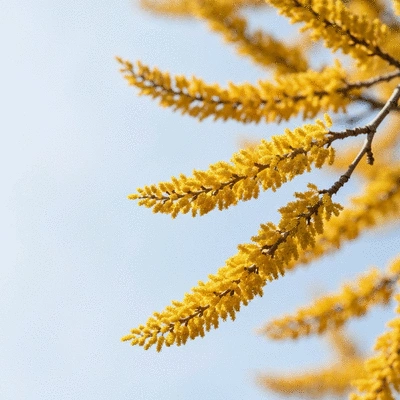
Northeast
Spring: Tree Pollen (Birch, Oak)
Late Summer/Fall: Ragweed
March - May August - Oct
Have you ever found yourself sneezing uncontrollably as the first flowers of spring bloom? For many, this marks the annual return of seasonal allergies, a pesky reminder that while nature awakens, so do our sensitivities. Understanding how these allergies develop can feel overwhelming, but it doesn’t have to be.
The visual below illustrates the primary seasonal allergy triggers across different U.S. regions, highlighting key allergens and their peak timings.
Spring: Tree Pollen (Birch, Oak)
Late Summer/Fall: Ragweed
Spring/Summer: Grass Pollens (Bermuda, Bahia)
Year-round: Mold Spores (High Humidity)
Late Spring/Early Summer: Grass Pollens
Fall: Ragweed
Late Winter/Spring: Tree Allergens (Juniper, Cedar)
Year-round: Dust & Poor Air Quality
Wet Seasons: Mold Spores
Seasonal: Grass Pollen
Have you ever wondered why you start sneezing at specific times of the year? Seasonal allergies are more than just a nuisance; they are a reflection of our environment. In this section, we will explore what seasonal allergies are, how they develop, and the factors influencing their severity. By understanding these elements, we can prepare ourselves better for the allergy seasons ahead!
Seasonal allergies, often triggered by pollen from trees, grasses, and weeds, occur when our immune system mistakenly identifies these harmless substances as threats. This leads to an immune response that can cause symptoms like sneezing, runny noses, and itchy eyes. Knowing the development of these allergies can help us manage our symptoms effectively.
Seasonal allergies, also known as hay fever or allergic rhinitis, typically arise during specific times of the year when certain plants release their pollen. This phenomenon can feel overwhelming, but it helps to understand that it's your body reacting to what it perceives as a danger. Your immune system releases histamines, causing those uncomfortable allergy symptoms.
The changes in seasonal patterns can significantly impact when and how severely these allergens affect you. By becoming aware of these patterns, you can take steps to avoid exposure and lessen your symptoms. Keeping track of when these allergens peak in your area can make a significant difference!
The geography and climate where you live play a crucial role in the types and amounts of allergens present in your environment. For example, warmer climates tend to have a longer growing season, which can lead to prolonged pollen exposure. Climate variations also influence the types of plants that thrive in a region, affecting the overall allergen profile.
Understanding the geographical nuances can help you prepare better for allergy seasons. At What Are Allergies, we aim to provide insights tailored to your location to help you navigate these challenges.
Humidity and weather patterns are critical in determining how severe your allergy symptoms can become. High humidity can exacerbate mold growth, while dry conditions may increase dust and pollen. Weather patterns, like windy days, can also stir up allergens, making it difficult for allergy sufferers.
The intensity and duration of pollen seasons are also increasing, further impacting allergy severity. By paying attention to the weather forecast, you can take precautionary measures to minimize exposure on particularly challenging days. A little preparation goes a long way in managing seasonal allergies!
To effectively manage your seasonal allergies, consider utilizing a pollen calendar specific to your region. This tool helps track when different allergens peak in your area, allowing you to prepare in advance. By staying informed and adjusting your outdoor activities accordingly, you can significantly reduce your exposure and alleviate symptoms.
Each region in the United States presents its own unique set of allergens, influenced by local flora and climate conditions. By understanding these regional allergen profiles, we can better prepare ourselves for allergy seasons and manage our symptoms effectively. Whether you live in the Northeast or the Southwest, the allergens that trigger your reactions can vary widely!
The Northeast is notorious for its springtime pollen counts, particularly from trees. As the weather warms, trees like birch and oak release their pollen, which can lead to significant allergy flare-ups.
Knowing when these allergens peak can help you take precautions, like limiting outdoor activities during high pollen days.
Birch trees are particularly challenging for those sensitive to tree pollen. They typically pollinate from March to April, releasing fine particles that can travel long distances. On the other hand, oak trees follow closely in April and May, adding to the allergy burden.
By August, ragweed becomes a major concern, as it can produce pollen until the first frost. If you suffer from allergies in the Northeast, tracking ragweed pollen counts is crucial!
In the Southeast, the combination of humidity and diverse plant life creates unique challenges for allergy sufferers. Grass pollens are particularly troublesome here!
Understanding these allergens helps in planning outdoor activities and minimizing exposure.
Grass pollens can trigger severe respiratory allergies in sensitive individuals. This is especially true during the late spring and early summer months. If you find yourself sneezing, itchy, or having trouble breathing, grass pollen might be to blame!
Mold can thrive in the humid Southeast, contributing to a persistent allergy season. It’s particularly prevalent in damp areas and can worsen symptoms during rainy periods or in poorly ventilated homes.
The Midwest is a hotspot for ragweed and grass pollens, especially in the fall. Understanding the seasonal timing of these allergens is essential for effective management.
By being aware of these peak times, residents can take proactive steps to alleviate symptoms.
Ragweed is a significant allergen in the Midwest, often traveling long distances through the wind. Coupled with grass pollen, these allergens can wreak havoc on those with sensitivities.
Keep an eye on local forecasts during these peak seasons. Simple strategies, such as staying indoors on high pollen days, can significantly reduce symptoms.
The dry climate of the Southwest presents its own set of allergies, often driven by unique environmental factors.
Understanding these factors helps residents prepare for allergy seasons!
Juniper and cedar pollen can be particularly bothersome in late winter and early spring. If you’re sensitive, consider limiting outdoor activities during this time.
In addition to pollen, poor air quality can worsen allergies. High dust levels can trigger reactions and complicate existing allergies.
The Northwest, known for its lush greenery, also faces unique allergy challenges, primarily due to its moist climate.
By knowing what to expect, residents can better manage their symptoms.
During wet seasons, mold spores can proliferate, leading to increased allergies. Being aware of mold levels can help you manage your exposure effectively.
Grass pollen levels can vary significantly based on seasonal changes in weather patterns. Keeping track of these variations is key for effective allergy management.
Here is a quick recap of the important points discussed in the article:
A: Seasonal allergies are primarily triggered by pollen from trees (common in spring), grasses (late spring/early summer), and weeds (late summer/fall).
A: Your geographic location influences the types of plants and allergens present. Warmer climates may have longer growing seasons and different dominant allergens compared to temperate or arid regions.
A: Yes, humidity and weather patterns significantly impact allergy severity. High humidity promotes mold growth, while windy days can increase pollen counts. Heavy rain might temporarily clear pollen but can lead to a spike afterward.
A: In the Northeast, tree pollen (birch, oak) peaks in spring (March-May), and ragweed is a major allergen in late summer/fall (August-October).
A: The Southeast experiences significant grass pollens (Bermuda, Bahia) in spring/summer and year-round mold spores due to high humidity.
Lorem ipsum dolor sit amet, consectetur adipisicing elit. Ducimus itaque, autem necessitatibus voluptate quod mollitia delectus aut, sunt placeat nam vero culpa sapiente consectetur similique, inventore eos fugit cupiditate numquam!