FALCPA & Major Allergens
Regulates labeling of 8 major allergens (Milk, Eggs, Fish, Shellfish, Nuts, Wheat, Soybeans, Sesame) crucial for consumer safety.
Compliance
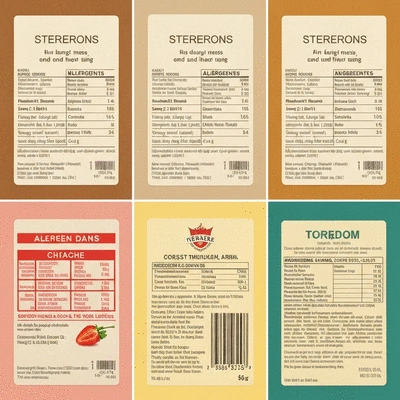
Have you ever felt overwhelmed by the sheer number of food labels and the potential allergens they might contain? Understanding food allergen labeling is essential for ensuring safety and managing allergies effectively. This guide will help you navigate the complexities of these regulations and empower you to make informed food choices.
This visual outlines the key regulatory bodies and their roles in food allergen safety and labeling, highlighting compliance, guidance, and advocacy efforts.
Regulates labeling of 8 major allergens (Milk, Eggs, Fish, Shellfish, Nuts, Wheat, Soybeans, Sesame) crucial for consumer safety.
Provides clarity on labeling standards, cross-contamination warnings, and detailed ingredient lists for consumer information.
Ensures accurate allergen declarations in meat/poultry, collaborating with FDA for consistent labeling practices.
States implement specific laws for enhanced disclosure. Advocacy is vital for improving overall labeling standards.
Food allergen labeling is crucial for anyone managing allergies, whether for themselves or a loved one. As someone who has dedicated years to understanding allergies, I can tell you that navigating these labels is not just about compliance—it's about safety and peace of mind. The Food Allergen Labeling and Consumer Protection Act (FALCPA) plays a pivotal role in this landscape, ensuring that major allergens are clearly identified on food packaging. For more details, you can refer to the FDA's information on food allergies.
Recent updates to FALCPA guidelines have expanded the definitions and categories of allergens, making it essential for consumers to stay informed. Following these regulations helps families make safer food choices, reducing the risk of allergic reactions. Understanding these updates empowers you to make informed decisions, keeping your family's health at the forefront!
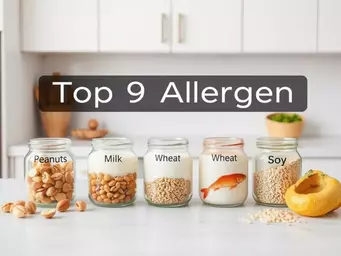
The FALCPA identifies eight major allergens that account for the majority of allergic reactions:
These allergens must be declared on food labels, which is critical for those of us managing food sensitivities or allergies. Recent updates include better labeling for less common allergens, such as sesame, which has gained more recognition recently. By understanding these requirements, you're better equipped to identify safe food options!
The FDA has recently provided new guidance regarding allergen labeling, particularly focusing on allergens like tree nuts, milk, and eggs. This guidance aims to clarify labeling standards, ensuring that consumers have access to essential information about what they are consuming. You can find more information about these updates in the FDA's official releases on allergen food safety.
These changes significantly impact how food manufacturers communicate allergen information, helping to create a safer shopping environment. As a consumer, being aware of these updates can help you choose products that align with your dietary needs. For specific questions, refer to the FDA's FAQ on food allergen labeling guidance.
The USDA plays a vital role in regulating food safety and allergen labeling, particularly for meat and poultry products. They ensure that allergenic ingredients are accurately represented on product labels, thus protecting consumers.
Understanding the interplay between the USDA and FDA helps consumers navigate the complex landscape of food labeling. By staying informed about these regulations, you can make better choices and advocate for your health and safety!
As we dive deeper into food allergen regulations, it's essential to recognize that state-level mandates also play a significant role. States like California have implemented their own specific laws that further enhance allergen disclosure, ensuring that consumers have access to critical information.
Did you know? Always check for allergen warnings even on products you've purchased before. Manufacturers can change their recipes or processing methods, which may introduce new allergens. Staying vigilant ensures your safety and health!
FALCPA stands for the Food Allergen Labeling and Consumer Protection Act. It is a federal law that requires food manufacturers to clearly identify the eight major food allergens on packaged food labels.
The eight major food allergens are milk, eggs, fish, shellfish, tree nuts, peanuts, wheat, and soybeans. Recent updates now also include sesame seeds.
New FDA guidance provides enhanced clarity on allergen labeling, including more detailed ingredient lists and stricter cross-contamination warnings, helping consumers make safer food choices.
The USDA regulates allergen declarations in meat and poultry products, ensuring accurate labeling and collaborating with the FDA for consistent practices across different food categories.
Yes, some states, like California, have implemented their own specific laws that further enhance allergen disclosure beyond federal requirements.
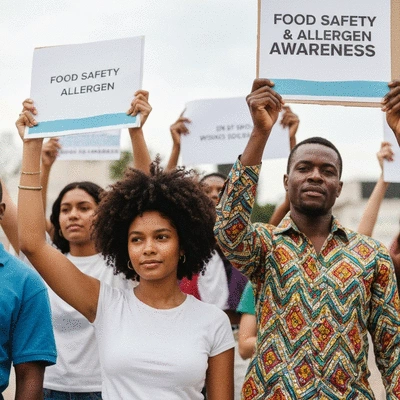
Advocacy is crucial for improving overall labeling standards, raising awareness, and pushing for clearer, more informative labeling practices to protect individuals with food allergies.
Understanding food allergen labeling is crucial for both consumers and advocates alike. As we've explored throughout this article, current regulations play a significant role in ensuring food safety for individuals with allergies. However, the existing landscape is not perfect. There remains a pressing need for dedicated advocacy to improve labeling standards and protect those affected by food allergens.
Advocacy is not just about pointing out flaws; it's about fostering a culture of awareness and empowerment. By raising our voices together, we can push for changes that lead to clearer, more informative labeling practices. This effort is essential for ensuring families can make safe and informed choices when it comes to food.
By taking these steps, we can create a more supportive environment for those living with food allergies.
Now that you have a better understanding of the regulatory landscape, I encourage you to leverage this knowledge. You have the power to impact food allergen safety significantly! Whether it’s reaching out to your local representatives or participating in community discussions, every effort counts.
Make sure to explore available resources such as petitions, advocacy groups, and further reading. Here are a few that I recommend:
By becoming an active participant, you can help shape policies that protect those with food allergies and improve the overall safety of our food supply.
Several organizations play a vital role in advocating for food allergen safety and regulations. One of the most important is the American Academy of Allergy, Asthma, and Immunology (AAAAI). They work tirelessly to promote education, research, and treatment options for individuals with allergies. Their efforts not only enhance public awareness but also drive advancements in allergen safety practices.
Here are some key organizations contributing to the landscape of food allergen safety:
By collaborating with these organizations, we can strengthen our advocacy efforts and push for better regulations that protect individuals with food allergies.
Here is a quick recap of the important points discussed in the article:
Lorem ipsum dolor sit amet, consectetur adipisicing elit. Ducimus itaque, autem necessitatibus voluptate quod mollitia delectus aut, sunt placeat nam vero culpa sapiente consectetur similique, inventore eos fugit cupiditate numquam!