Quercetin
Acts as a natural antihistamine, blocking histamine release that causes symptoms.
Natural Antihistamine
As the season shifts and flowers begin to bloom, many find themselves facing the all-too-familiar struggle with seasonal allergies. This is more than just a nuisance; understanding seasonal allergies can empower individuals to reclaim their comfort and improve their daily lives. What can you do to manage these pesky symptoms effectively?
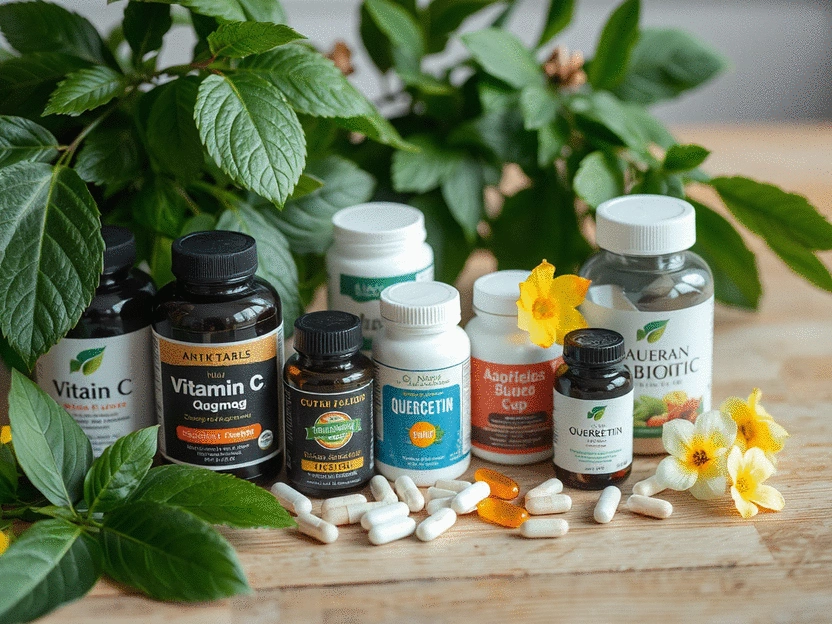
While not a replacement for traditional medicine, these supplements can help manage seasonal allergy symptoms:
Acts as a natural antihistamine, blocking histamine release that causes symptoms.
Boosts the immune system and reduces the intensity of allergic reactions.
Helps with inflammation, offering relief from sinus-related symptoms.
Improve gut health, which is linked to a better immune response against allergens.
Have you ever stepped outside as the flowers bloom, only to be met with a barrage of sneezes? This is a classic sign of seasonal allergies, a condition that affects millions each year. It's crucial to understand what triggers these allergies and how they can impact daily life. Let's dive into the details!
Seasonal allergies, also known as hay fever or allergic rhinitis, are often caused by exposure to environmental allergens that peak during specific times of the year. Knowing what triggers your symptoms can be a game changer in managing your allergies effectively. Understanding this is the first step towards reclaiming your comfort, especially during spring and fall when pollen counts soar.
Understanding the specific triggers of seasonal allergies is essential for effective management. Here are the main culprits:
By identifying your specific triggers, you can take steps to minimize exposure. For instance, if you know that grass pollen affects you, consider staying indoors on high pollen days and keeping windows closed.
Seasonal allergies can manifest in various ways, and their symptoms might surprise you! Common symptoms include:
These symptoms can significantly impact daily activities. Imagine trying to enjoy a picnic with friends while battling a runny nose and itchy eyes! Allergies can hinder your ability to focus and enjoy life's simple pleasures.
Each of these allergens plays a distinct role in triggering seasonal allergies. For example, pollen counts fluctuate throughout the day, often peaking in the morning. If you’re like me, avoiding outdoor activities during these times can help manage symptoms. On the other hand, dust mites are persistent and can be tackled by regular cleaning and the use of protective bedding. Mold thrives in damp places, so keeping your home dry is key.
Remember, awareness of these allergens is empowering. By understanding your environment and its effects, you can take practical steps to reduce symptoms and improve your quality of life. At What Are Allergies, I aim to provide you with the knowledge needed to navigate these challenges confidently!
What strategies have you found effective in managing your seasonal allergies? Sharing your experiences can help others in our community! Let us know in the comments below:
Understanding how nutritional supplements can help manage seasonal allergies is crucial for anyone looking to relieve their symptoms. After diving into the various options available, it’s clear that while they may not replace traditional medications, they can play a supportive role. Many supplements work to bolster your immune system, reduce inflammation, and even alleviate the severity of allergy symptoms.
Let’s focus on some of the key takeaways regarding the efficacy and evidence behind popular supplements. Not all supplements are created equal; therefore, it's important to recognize which ones have shown promise through research while considering individual health needs.
While these supplements can offer relief, it’s essential to consult with a healthcare professional to ensure they suit your unique health profile. The evidence surrounding these supplements varies, and personal experiences can differ significantly.
As an allergist, I often remind my patients at What Are Allergies that managing allergies is a multifaceted approach. Supplements can certainly complement traditional treatments, but they should be part of a broader strategy that includes avoiding triggers and maintaining a healthy lifestyle. Always keep in mind that what works for one person may not work for another, so it’s all about finding the right balance.
Listening to your body and being mindful of your reactions to different supplements is a vital step in your allergy management journey. If you’re considering introducing new supplements into your routine, I highly recommend discussing this with your doctor to create a personalized plan that suits your needs.
When it comes to your health, open communication with your healthcare provider is key! Here are some tips for effectively discussing supplements during your next appointment:
By coming prepared, you can ensure a productive conversation that leads to informed decisions about your allergy management.
Staying informed is crucial in managing allergies effectively. Here are some reliable resources to expand your knowledge about nutritional supplements and their role in allergy management:
Utilizing these resources can empower you to make informed decisions and stay proactive in your allergy management journey!
Here is a quick recap of the important points discussed in the article:
Lorem ipsum dolor sit amet, consectetur adipisicing elit. Ducimus itaque, autem necessitatibus voluptate quod mollitia delectus aut, sunt placeat nam vero culpa sapiente consectetur similique, inventore eos fugit cupiditate numquam!