This article is part of our Allergy Symptom Guides resource center, covering all aspects of allergy symptom guides diagnosis, treatment, and management.
Quick Answer
Food allergy symptoms range from mild oral tingling (oral allergy syndrome) to life-threatening anaphylaxis. They typically begin within minutes to 2 hours of consuming the allergenic food and can involve skin, GI tract, respiratory, and cardiovascular systems simultaneously. Epinephrine is the only first-line treatment for anaphylaxis. Anyone with a suspected food allergy should be evaluated by an allergist.
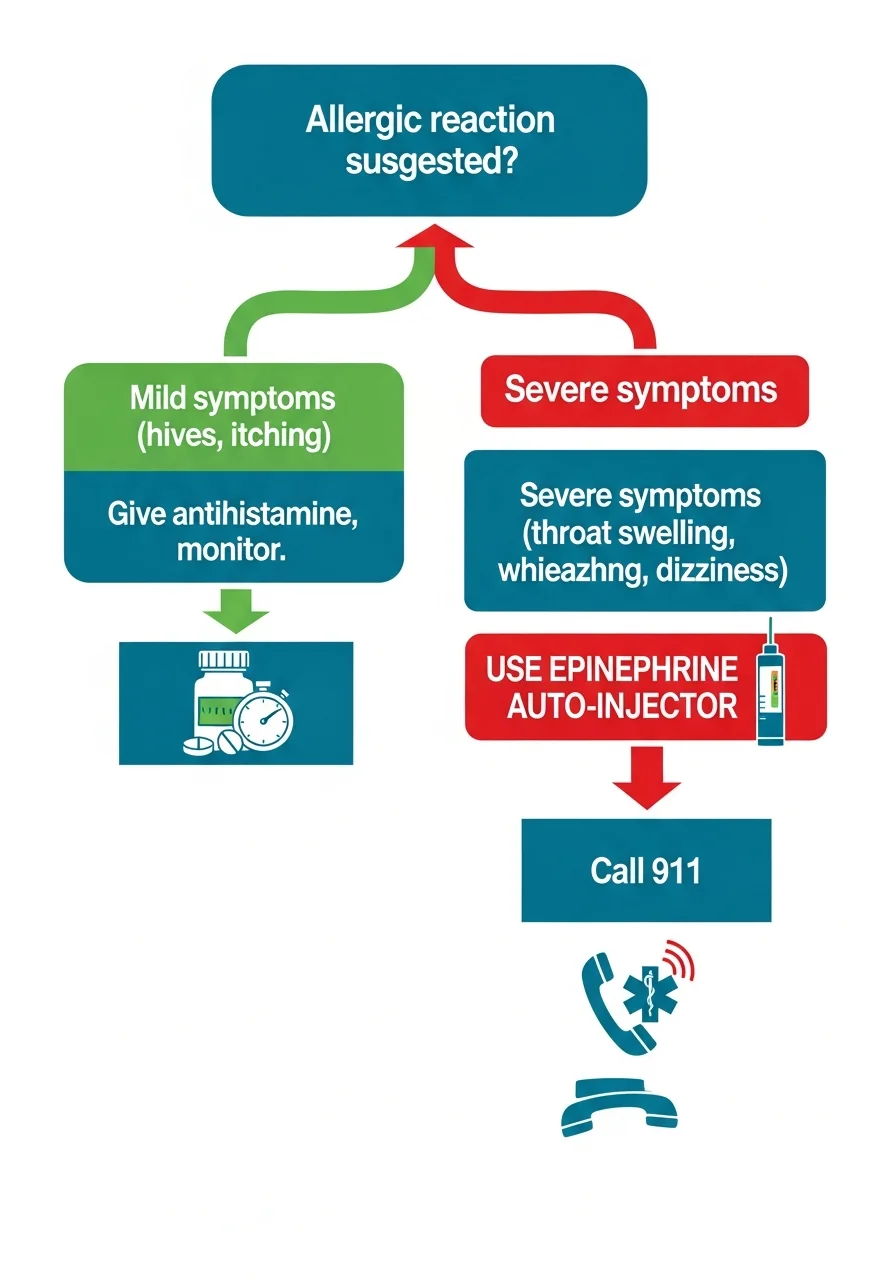
Food Allergy Symptom Checklist
Understanding Food Allergy Symptoms
Food allergies are IgE-mediated immune reactions in which the immune system mistakenly identifies food proteins as threats, producing specific IgE antibodies. Upon subsequent exposure, these IgE antibodies trigger mast cell degranulation, releasing histamine and other inflammatory mediators that produce symptoms across multiple organ systems. This distinguishes food allergy from other forms of allergic disease in its potential rapidity and severity.
Approximately 6% of children and 4% of adults in the US have confirmed IgE-mediated food allergy. The spectrum of severity ranges from localized oral tingling (oral allergy syndrome) through moderate multi-organ reactions to life-threatening anaphylaxis. Recognizing the full spectrum of symptoms — including atypical presentations in infants and young children — is essential for appropriate management. For a complete overview of how allergy symptoms manifest across different conditions, see our main symptoms hub.
Common Food Allergens and Their Typical Symptoms
| Allergen | Typical Symptoms | Anaphylaxis Risk |
|---|---|---|
| Peanut | Hives, angioedema, respiratory, cardiovascular | High |
| Tree nuts (cashew, walnut) | Hives, angioedema, anaphylaxis | High |
| Shellfish (shrimp, crab) | GI, hives, respiratory, anaphylaxis | High |
| Fish (cod, salmon) | GI, hives, respiratory, anaphylaxis | High |
| Milk | GI (infants), hives, respiratory, anaphylaxis | Moderate-High |
| Egg | Hives, GI, respiratory | Moderate |
| Wheat | GI, hives, eczema worsening | Moderate |
| Soy | GI, hives (often milder) | Low-Moderate |
| Sesame | Hives, GI, anaphylaxis (increasingly recognized) | Moderate |
Oral Allergy Syndrome vs True Food Allergy
Oral allergy syndrome (OAS/PFAS) is frequently confused with true food allergy. In OAS, cross-reactive plant proteins trigger localized IgE-mediated reactions limited to the oral mucosa — tingling, mild swelling of the lips and tongue — within minutes of eating certain raw fruits and vegetables. Cooking or processing destroys these proteins, eliminating symptoms. OAS reactions are rarely systemic; angioedema of the tongue or throat, hives, or respiratory symptoms indicate a true systemic food allergy and not OAS.
How Food Allergy Differs from Food Intolerance
Food intolerance (lactose intolerance, fructose malabsorption, FODMAP sensitivity) is non-immune-mediated and causes GI symptoms (bloating, gas, diarrhea) without hives, respiratory symptoms, or cardiovascular involvement. It is dose-dependent — small amounts are often tolerated. Food intolerance is not life-threatening. Celiac disease is an autoimmune (T-cell mediated) condition triggered by gluten, causing intestinal villous atrophy and systemic inflammation — it differs fundamentally from IgE-mediated food allergy in mechanism, symptoms, and management.
When Food Allergy Symptoms Are Serious — Anaphylaxis Signs
Medical Emergency
Symptoms involving two or more organ systems, throat tightening, difficulty breathing, or a drop in blood pressure after food ingestion constitute anaphylaxis. Inject epinephrine immediately and call 911. Do not wait to see if symptoms improve. Antihistamines and asthma inhalers are not adequate first-line treatments for anaphylaxis. See our full anaphylaxis emergency guide.
Prevention Tips
- • Read all food labels carefully — the top 9 allergens must be declared on FDA-regulated products
- • Inquire about ingredients and cross-contact practices at restaurants
- • Carry two doses of epinephrine auto-injector at all times
- • Wear a medical ID bracelet identifying your food allergy and emergency medication
- • Educate family members, school staff, and caregivers on emergency response
- • Avoid shared cooking equipment and fryers at restaurants for allergies to peanut, fish, and shellfish
Treatment Overview
The cornerstone of food allergy management is strict allergen avoidance. For accidental ingestion causing mild symptoms (localized hives, mild OAS), oral antihistamines can manage symptoms. For any reaction involving the respiratory or cardiovascular system — or throat tightening — intramuscular epinephrine must be administered immediately. Following epinephrine injection, call 911 because biphasic reactions can occur 4–12 hours later and require emergency observation.
Emerging therapies include oral immunotherapy (OIT) for peanut allergy (FDA-approved Palforzia), and clinical trials for milk and egg OIT. These should be administered only in specialist settings. Formal allergy testing (skin prick test + specific IgE blood testing) is essential to confirm food allergies and guide management. See our complete allergy treatment guide for broader context.